This Article Was Last Updated: August 29, 2026 by Victor Odia
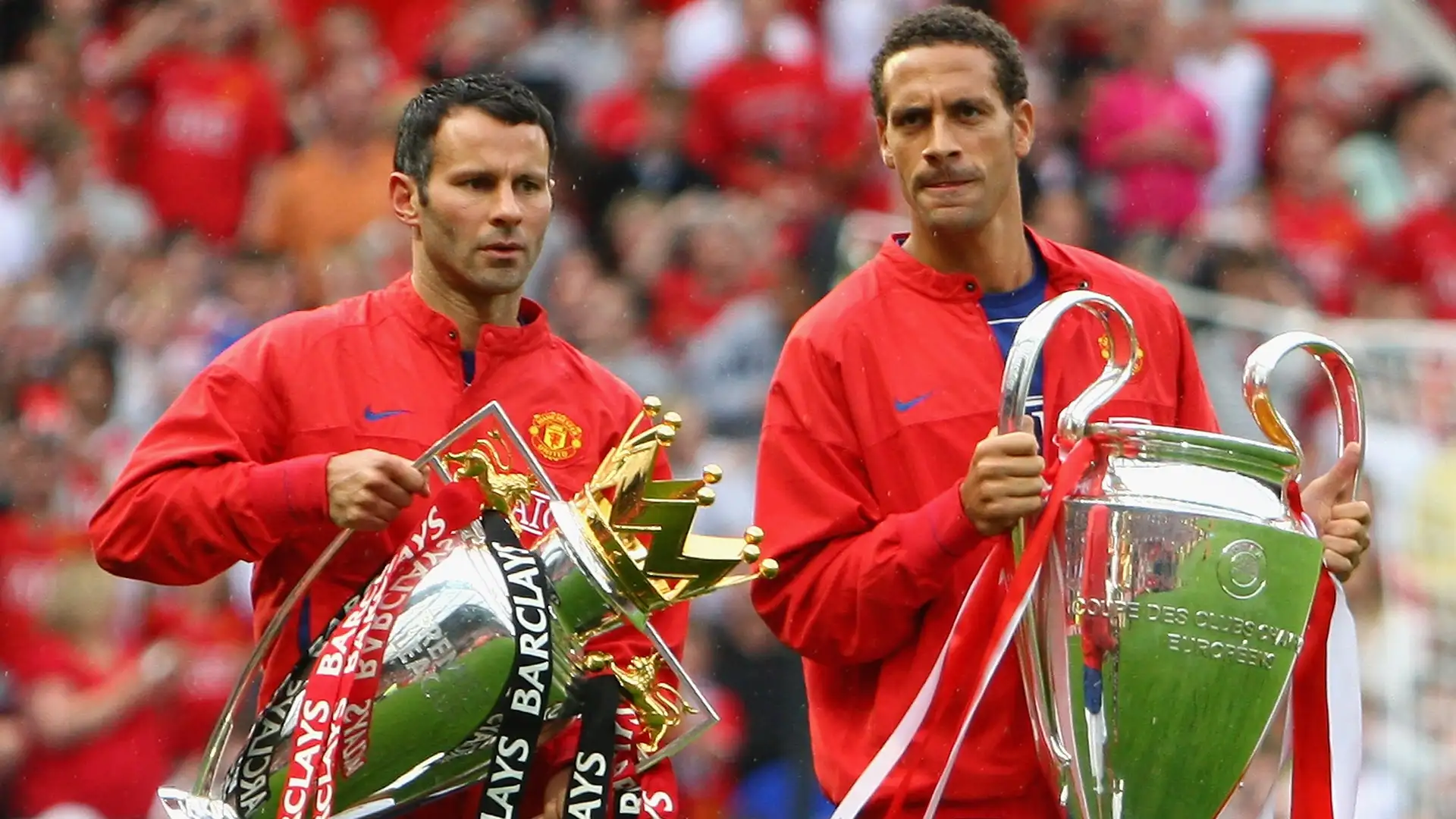
Premier League vs Champions League is one of football’s biggest debates. Both competitions feature top clubs and elite players, but they offer different tests. The Premier League rewards teams that stay consistent across a long season, while the UEFA Champions League brings Europe’s strongest clubs together.
The Premier League has 20 teams competing across 38 matches to decide the English champion. The UEFA Champions League starts with 36 teams in the league phase before the knockout rounds determine the winner.
This comparison looks at Premier League vs Champions League prize money, winners, trophies, qualification rules and the main differences between the two competitions.
Premier League vs Champions League: What Is the Difference?
The Premier League and the UEFA Champions League are the biggest competitions in club football, but they have different roles. The Premier League decides England’s national champion over a full league season. The UEFA Champions League brings together Europe’s best clubs to compete for the continental title. A high Premier League finish can earn qualification for the Champions League, but each competition has its own format and organiser.
Domestic League vs European Competition
| Feature | Premier League | UEFA Champions League |
| Competition type | Domestic league | European club competition |
| Organiser | Premier League | UEFA |
| Participating clubs | 20 clubs from England | Qualified clubs from European domestic leagues |
| Objective | Crown England’s champion | Crown Europe’s champion |
| Season | August to May | July qualifying rounds to May final |
Premier League vs Champions League: Definition
The Premier League is England’s highest football division. Twenty clubs play 38 matches each season, facing every opponent twice. The club with the most points wins the title, while the bottom three clubs are relegated to the Championship.
The UEFA Champions League is Europe’s top club competition. Clubs qualify through their domestic league position or by winning eligible UEFA competitions. Since the 2024–25 season, the tournament has used a 36-team league phase before the knockout rounds.
Who Organises the Premier League and Champions League?
The Premier League runs England’s top-flight competition. It manages the fixtures, rules and commercial operations.
UEFA (Union of European Football Associations) organises the Champions League. It sets the competition rules, qualification system and match schedule.
Which Clubs Play in Each Competition?
The Premier League features 20 clubs from England. Clubs earn promotion from the Championship or stay in the league by avoiding relegation.
The Champions League includes clubs from UEFA’s member associations across Europe. Teams qualify through domestic league results or by winning eligible UEFA competitions. UEFA awards qualification places according to each association’s coefficient ranking.
Premier League vs Champions League: Structure Compared
The Premier League and the UEFA Champions League use different formats to crown their champions. The Premier League rewards consistency over a full domestic season. The Champions League combines a league phase with knockout football to decide Europe’s best club.
Competition Format
The Premier League uses a double round-robin system. Each club plays every other club twice, once at home and once away. Teams earn three points for a win, one for a draw and none for a defeat. After 38 matches, the club with the most points wins the title.
The Champions League uses a 36-team league phase. Each club plays eight matches against eight different opponents. The top eight teams qualify directly for the Round of 16. Teams finishing 9th to 24th enter two-legged knockout play-offs, while teams finishing 25th to 36th are eliminated. The competition then continues through the knockout rounds before a one-match final.
Premier League vs Champions League Comparison
| Feature | Premier League | UEFA Champions League |
| Number of teams | 20 clubs | 36 clubs |
| Matches per team | 38 league matches | 8 league-phase matches; finalists can play up to 17 matches |
| League format | Double round-robin | Single league table with eight different opponents |
| Knockout rounds | None | Knockout play-offs, Round of 16, Quarter-finals, Semi-finals and Final |
| Season duration | Mid-August to late May | July qualifying; league phase from September to January; knockout rounds from February to May |
Number of Teams
The Premier League includes 20 clubs. Every club plays the same opponents home and away, creating a balanced fixture list.
The Champions League features 36 clubs from across Europe. UEFA gives each club eight different opponents instead of using traditional groups.
Number of Matches
Every Premier League club plays 38 league matches.
Every Champions League club plays at least eight league-phase matches. Clubs that finish between 9th and 24th play an extra two-legged play-off. A club can play up to 17 matches by reaching the final through the play-offs, while clubs that qualify directly for the Round of 16 need only 15 matches to win the trophy.
League Format
The Premier League follows one league table from the first match to the last. The club with the most points wins the title.
The Champions League also uses one league table, but clubs play only eight different opponents. After the league phase, the competition switches to knockout football.
Knockout Rounds
The Premier League has no knockout stage.
The Champions League begins its knockout stage after the league phase. The top eight clubs advance directly to the Round of 16. Teams ranked 9th to 24th compete in two-legged play-offs before joining the remaining knockout rounds.
Season Duration
The Premier League runs from mid-August to late May.
The Champions League starts with qualifying rounds in July. The league phase runs from September to January, followed by knockout rounds from February to May. UEFA stages the final in late May.
Premier League vs Champions League: Qualification Compared
The Premier League and the UEFA Champions League have different qualification systems. The Premier League is England’s top domestic league. The Champions League is Europe’s biggest club competition. Clubs reach the Premier League through promotion, while Champions League places depend on league performance and UEFA rules.
How Clubs Enter the Premier League
The Premier League has 20 clubs each season.
- Seventeen clubs stay in the league by avoiding relegation.
- Three clubs earn promotion from the Championship.
The Championship decides promotion in two ways:
- First and second place win automatic promotion.
- Clubs finishing third to sixth enter the Championship play-offs.
- The play-off winner takes the final promotion place.
This system rewards consistent performance and gives four clubs a chance to win promotion through the play-offs.
How Clubs Qualify for the Champions League
UEFA awards Champions League places mainly through domestic league position.
Since the 36-team league phase began in 2024, clubs can qualify by:
- Finishing high in their domestic league.
- Benefiting from UEFA association coefficient places.
- Winning certain UEFA competitions.
For the 2026–27 Champions League, England secured an extra European Performance Spot after its clubs ranked among UEFA’s best-performing associations in 2025–26. As a result, the Premier League’s top five clubs qualify directly for the league phase.
A club can also qualify by winning the UEFA Europa League if it has not already secured a Champions League place through its league finish.
Promotion and Relegation
The Premier League uses promotion and relegation every season.
- The bottom three clubs are relegated to the Championship.
- Three Championship clubs replace them through automatic promotion and the play-offs.
The Champions League does not use promotion or relegation. Clubs must qualify every season through domestic results or UEFA competition rules.
Qualification Through League Position
League position decides different outcomes in each competition.
Premier League
League position determines:
- The Premier League champion.
- European qualification.
- Relegation.
The club that finishes first wins the title. The bottom three clubs are relegated, while the remaining clubs keep their Premier League status.
Champions League
Domestic league position determines Champions League qualification.
For English clubs in the 2026–27 season:
- The top five Premier League clubs qualify directly for the Champions League group phase.
A UEFA Europa League winner can also qualify if it has not already earned a Champions League place through its domestic league position.
Premier League vs Champions League Qualification: Key Differences
| Premier League | Champions League |
| Clubs enter through promotion from the Championship or by avoiding relegation. | Clubs qualify through domestic league performance or UEFA competition rules. |
| The league has 20 English clubs. | The competition has 36 clubs from across Europe. |
| The bottom three clubs are relegated each season. | No promotion or relegation system exists. |
| Three promoted clubs join every season. | Clubs must qualify again every season. |
| League position decides the title, relegation and European qualification. | League position decides qualification for Europe’s top club competition. |
The Premier League rewards clubs that succeed in England’s football pyramid. The Champions League rewards clubs that perform best in domestic and European competitions. In 2026, England’s UEFA coefficient gives the Premier League’s top five clubs direct qualification for the Champions League group phase.
Premier League vs Champions League: Prestige Compared
The Premier League and the UEFA Champions League sit at the top of club football. They reward different types of success. The Premier League measures consistency over a full season. The Champions League rewards elite performance in European knockout competition. The Champions League holds higher global prestige. The Premier League sets the standard for domestic competition.
Domestic prestige of the Premier League
The Premier League ranks as the highest domestic honour in English football. Clubs win it by finishing first after 38 matches against 19 opponents. The format rewards consistency across an entire season. A complete record of past champions shows the dominance and consistency required to win the Premier League.
Teams play home and away fixtures against every opponent. They must manage injuries, fatigue and form changes over nine months. One bad run can end a title challenge.
The league stands out for its competitive depth. Mid-table teams regularly take points from title contenders. Clubs also fight for European qualification and survival in every season. Strong broadcasting revenue allows all clubs to sign top players and managers.
Many analysts call it the most competitive domestic league in world football.
European prestige of the Champions League
The UEFA Champions League ranks as Europe’s top club competition. It brings together the strongest clubs from major leagues across Europe. Teams must progress through the league phase and knockout rounds to reach the final.
Each round increases pressure and reduces margins for error. Clubs face elite opponents in every stage.
Winning the Champions League gives global recognition and long-term legacy. It also delivers major financial rewards and qualification for other international competitions.
Clubs such as Real Madrid, AC Milan, Bayern Munich, Liverpool and Barcelona built global status through repeated Champions League success.
Global Reach And Recognition
The Champions League leads global club football in prestige and reach. Its knockout matches and final attract huge worldwide audiences. Big moments often define player careers and club history.
The Premier League leads as the most-watched domestic league. It reaches global audiences every weekend through strong international broadcasting. It also builds a large global fan base across continents.
| Category | Premier League | Champions League |
| Domestic status | Highest in England | Not applicable |
| Global prestige | Very high | Highest in club football |
| Audience reach | Largest domestic audience | Largest annual club competition |
| Commercial strength | Leading domestic league | Top European competition |
| Format | 38-match season | League phase + knockout |
Which Trophy Matters More In 2026
Most elite players value the Champions League more. It represents the highest level of club football and shapes career legacy.
Clubs set priorities based on history and ambition. Teams with strong domestic success often target the Champions League. Clubs chasing a first or rare league title focus on the Premier League.
Managers often describe the Premier League as harder to win. They point to its long season, depth and constant pressure.
The Champions League usually holds higher global prestige. The Premier League tests consistency more than any other domestic competition.
Premier League vs Champions League Prize Money
Premier League vs Champions League prize money works differently. The Premier League shares domestic broadcasting income across its 20 clubs, while UEFA rewards Champions League teams based on participation, results, progress and commercial factors.
The Premier League gives clubs regular income through TV deals, league position payments and match fees. Meanwhile, the Champions League can deliver bigger earnings for clubs that win matches and reach the later rounds.
Premier League vs Champions League Prize Money Comparison
| Category | Premier League (2025/26) | UEFA Champions League (2025/26) |
| Participation payments | All 20 clubs receive central payments from broadcasting and commercial revenue. | Clubs receive about €18.6 million for entering the league phase. |
| Performance bonuses | Clubs earn payments based on their final league position and television appearances. | UEFA pays around €2.1 million for a win and €700,000 for a draw, with extra payments for knockout rounds. |
| Broadcasting revenue | The Premier League shares billions from broadcast deals through equal payments, merit payments and matchday selections. | UEFA distributes Champions League broadcast money through market-based payments and club performance factors. |
| Winner earnings | The Premier League champion can earn around £170 million or more from league payments and broadcasting income. | The Champions League winner can earn over €100 million after adding prize money, bonuses and commercial payments. |
| Total financial rewards | Premier League clubs earn strong yearly income, with top teams receiving the highest payments. | Champions League clubs can earn more in one season by reaching the final stages. |
The Premier League provides steady revenue throughout the season. The Champions League offers larger rewards when clubs progress through each round.
Premier League vs Champions League: Which Is Harder to Win in 2026?
The Premier League and UEFA Champions League test teams in different ways in 2026. One rewards consistency over a full season. The other rewards peak performance in key matches.
Consistency vs Knockout Football
The Premier League runs over 38 matches. Teams play every week and face varied playing styles. Recovery time stays short across the season. Lower-ranked teams often take points from top clubs.
The Champions League uses a league phase and knockout rounds. Teams play eight league-phase matches before elimination games. One poor knockout match can end the competition.
The Premier League rewards steady results. The Champions League rewards decisive performances.
Strength of Opposition
The Premier League delivers strong opposition every week. Lower-table teams play with high intensity and organised defence. No fixture feels easy.
The Champions League features stronger elite opponents. Clubs face Europe’s best teams in both league phase and knockout rounds. The average opponent level is higher, but teams play fewer matches at that intensity.
The Premier League tests teams weekly. The Champions League raises match difficulty.
Squad Depth
Premier League success depends on squad depth. Teams rotate players due to injuries, fatigue, and fixture congestion. Weak squads drop points across the season.
The Champions League also needs depth, especially in knockout ties. However, teams rely more on their strongest line-ups in key games.
The Premier League tests depth over time. The Champions League tests depth in decisive matches.
Physical and Tactical Demands
The Premier League demands high physical output every week. Teams play at high tempo and recover quickly. Managers adjust tactics for different opponents.
The Champions League demands tactical control. Teams face varied European styles and must adapt quickly. Knockout matches increase pressure and reduce error margins.
The Premier League tests stamina and consistency. The Champions League tests precision under pressure.
Final Verdict
The Premier League is harder for long-term consistency across 38 matches, while the Champions League is harder for peak performance in knockout games. The Premier League tests endurance. The Champions League tests decisive moments.