This Article Was Last Updated: August 29, 2026 by Victor Odia
Whether you’re watching your first FIFA World Cup or you’ve watched it for years, this guide will help you understand the draw. You’ll learn how FIFA creates the seeding pots, uses the FIFA Men’s World Rankings, applies confederation rules, organises the new 48-team format, and puts each qualified team into a group.
What Is the FIFA World Cup Draw?
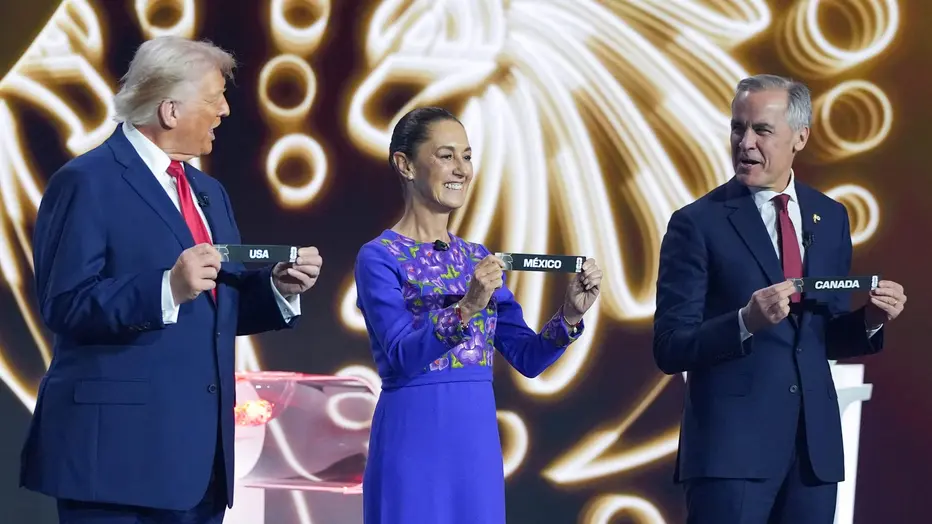
The FIFA World Cup Draw is the official event that places qualified teams into groups before the FIFA World Cup begins. FIFA uses the latest FIFA World Rankings to seed teams into pots. It also applies confederation rules to create balanced groups. For the 2026 FIFA World Cup, the draw placed 48 teams into 12 groups of four.
The FIFA World Cup Draw determines each team’s group-stage opponents, match schedule, and route to the knockout stage. As a result, teams know the path to the FIFA World Cup final.
FIFA held the 2026 FIFA World Cup Final Draw on 5 December 2025. This gave teams time to prepare. Coaches analysed opponents and planned tactics. Organisers also confirmed venues, travel, and match schedules.
Meanwhile, fans followed the FIFA World Cup Draw because it revealed key fixtures, major rivalries, and possible “groups of death.” Broadcasters and sponsors also used the results to plan tournament coverage.
The FIFA World Cup Draw shapes the tournament before the opening match. It decides the group stage, each team’s opponents, and every possible route to the knockout rounds.
Why FIFA Holds a World Cup Draw

FIFA holds the World Cup draw to organise teams into groups before the tournament starts. It sets the structure for fair competition, balanced groups, clear scheduling, and global interest.
Fair Competition
First, the draw protects fair competition.
FIFA uses seeding pots based on world rankings. Strong teams go into separate pots. Each group receives one team from each pot. This stops top teams from meeting too early.
FIFA also applies confederation rules. Most groups cannot contain more than one team from the same region. Europe can place up to two teams in one group because it has many qualifiers.
As a result, no group becomes unfair or overloaded with strong teams.
Balanced Groups
Next, the draw creates balanced groups.
Without a draw system, strong teams could end up in one group. Weaker teams could end up in another. This creates unfair tournament paths.
The pot system spreads teams across groups. Each group usually includes:
- one top-ranked team
- one strong mid-ranked team
- one balanced team
- one lower-ranked team or qualifier
Therefore, every team gets a fair chance to reach the knockout stage.
Transparency
The draw also improves transparency.
FIFA runs the draw live on global broadcast. Officials pull teams from pots in public view. Rules stay published before the event.
These rules explain:
- seedings
- pot system
- group limits
- host placements
Because of this, teams and fans can see that no hidden decisions affect the group results.
Excitement for Fans
The draw builds global excitement.
After the draw, fans immediately analyse groups. They compare teams, predict winners, and identify difficult groups.
The 2026 World Cup draw created strong global attention because it revealed all 48 teams and 12 groups at once. It also showed possible knockout paths early.
As a result, media coverage and fan engagement rise before the first match. Fans also follow the tournament closely because of the FIFA World Cup prize money, which shows how performance at the competition translates into financial rewards for teams.
Tournament Scheduling
Finally, the draw helps FIFA plan the schedule.
Once groups are set, FIFA finalises:
- match fixtures
- stadiums
- kick-off times
- team travel plans
Therefore, the draw supports smooth tournament organisation from start to finish.
How FIFA World Cup Teams Are Selected
FIFA selects World Cup teams through continental qualification, host nation entry, and intercontinental play-offs. Every team earns its place through competition.
Qualification Through Continental Competitions
FIFA divides football into six confederations. Each confederation runs its own qualifiers and sends teams based on results. African teams also compete through the Africa Cup of Nations (AFCON) qualification, which explains how the continent’s competitive structure feeds into global tournaments.
- UEFA runs group stages and playoffs in Europe
- CONMEBOL uses a league table in South America
- AFC runs group and knockout rounds in Asia
- CAF runs group stages and final qualifiers in Africa
- CONCACAF runs multi-round qualifiers in North and Central America and the Caribbean
- OFC awards one direct spot from Oceania in 2026
Teams qualify by winning matches and finishing in top positions.
Number Of Qualifying Places Per Confederation
FIFA expands the World Cup to 48 teams in 2026. Each confederation receives more places.
- UEFA: 16 teams
- CAF: 9 teams
- AFC: 8 teams
- CONMEBOL: 6 teams
- CONCACAF: 6 teams (including hosts)
- OFC: 1 team
- Intercontinental play-offs: 2 teams
FIFA uses this system to widen global participation.
Host Nation Qualification
Hosts automatically qualify. They do not play qualifiers.
For 2026:
- United States qualifies automatically
- Mexico qualifies automatically
- Canada qualifies automatically
These teams enter the tournament without qualification matches.
Expansion To 48 Teams From 2026
FIFA expands the tournament from 32 to 48 teams in 2026. This changes the structure.
Key changes:
- 12 groups replace 8 groups
- Each group has 4 teams
- Top 2 teams qualify directly
- 8 best third-placed teams also qualify
This format sends 32 teams into the knockout stage, starting with the Round of 32.
Final List Of Qualified Teams Before The Draw
FIFA confirms all qualified teams before the draw.
The final list includes:
- Host nations
- Teams that qualify through continental tournaments
- Teams that qualify through intercontinental play-offs
FIFA places all 48 teams into pots based on rankings and region. Then FIFA conducts the draw and assigns each team to a group.
This process explains how FIFA World Cup teams are selected.
How Teams Are Seeded Before the Draw
FIFA World Rankings
FIFA uses world rankings to place teams in the World Cup draw.
First, FIFA assigns teams to pots based on ranking position. The highest-ranked teams enter Pot 1. Next, FIFA places teams in Pot 2, then Pot 3 and Pot 4. For the 2026 World Cup, FIFA also places hosts USA, Mexico, and Canada in Pot 1. This follows the World Cup 2026 draw system.
Rankings reflect team strength, so they decide group difficulty. High-ranked teams avoid each other in the group stage. Lower-ranked teams face stronger opponents. This keeps the draw fair and rewards consistent performance.
The Four (or More) Pots
The 2026 FIFA World Cup includes 48 teams. FIFA splits them into four pots with 12 teams in each pot.
• Pot 1
Pot 1 includes the three host nations and the top-ranked teams. These teams lead each group and stay apart in the group stage.
• Pot 2
Pot 2 includes strong teams ranked just below the top level. These teams still play at a high level, but they do not lead groups.
• Pot 3
Pot 3 includes mid-ranked teams. FIFA uses this pot to balance group strength.
• Pot 4
Pot 4 includes the lowest-ranked teams and playoff qualifiers. Some teams enter this pot without a confirmed identity before the draw.
How the FIFA World Cup Draw Works
The draw decides who plays who in the group stage. For 2026, 48 teams join. FIFA puts them into 12 groups of four teams.
Step 1 – FIFA Confirms The Qualified Teams
FIFA finalises all 48 teams.
- Teams qualify through regional competitions
- Some teams qualify through playoffs
- FIFA confirms the final list before the draw
Step 2 – FIFA Splits Teams Into Pots
FIFA sorts all teams into four pots.
- Pot 1 has the strongest teams and host nations
- Pot 2, 3, and 4 have the rest based on ranking
- Each pot has 12 teams
This system spreads strong teams across different groups.
Step 3 – FIFA Prepares The Groups
FIFA creates 12 empty groups.
- Groups run from Group A to Group L
- Each group will get 4 teams
- No teams are placed yet
Step 4 – FIFA Draws The Teams
FIFA pulls teams from each pot one by one.
- FIFA draws Pot 1 first
- Then Pot 2, Pot 3, and Pot 4
- Each team goes into a group slot
The process uses random selection, shown live.
Step 5 – FIFA Applies Confederation Rules
FIFA checks geography rules while drawing.
- FIFA avoids putting too many teams from one region in a group
- Most groups allow only one team per confederation
- Europe can have more than one team in some groups
- FIFA adjusts placements when needed
Step 6 – FIFA Confirms The Final Groups
After all draws finish:
- FIFA locks all 12 groups
- FIFA publishes the full match schedule
- Teams now know their opponents
| Step | What Happens | Simple Meaning |
| 1 | FIFA confirms teams | All 48 teams are ready |
| 2 | FIFA makes pots | Teams go into 4 ranking groups |
| 3 | FIFA makes groups | 12 empty groups are set |
| 4 | FIFA runs draw | Teams get placed randomly |
| 5 | FIFA checks rules | Regions stay balanced |
| 6 | FIFA finalises groups | Groups and matches become official |
Rules FIFA Must Follow During the Draw
The draw does not run fully at random. It follows strict limits.
One Team From Each Pot Per Group
FIFA splits all teams into four pots.
Each group gets:
- 1 team from Pot 1
- 1 team from Pot 2
- 1 team from Pot 3
- 1 team from Pot 4
This spreads strong and weak teams across all groups. It prevents one group from getting many top teams.
UEFA Exceptions
UEFA sends many teams to the World Cup.
- Most groups allow only one team per confederation
- UEFA allows two teams in one group
This exception exists because Europe has more teams than any other region.
No Two Teams From The Same Confederation
FIFA blocks teams from the same region in one group.
- Africa teams do not meet Africa teams in a group
- Asia teams do not meet Asia teams in a group
- South America teams do not meet South America teams in a group
Only UEFA can break this rule due to team numbers.
Host Nation Placement
FIFA assigns host nations before the draw.
- Mexico goes to Group A
- Canada goes to Group B
- United States goes to Group D
These positions stay fixed. No draw affects them.
Competitive Balance
FIFA keeps groups balanced through fixed rules.
- FIFA spreads top teams across groups using pots
- FIFA separates top-ranked teams in the knockout path
- FIFA limits teams from the same region in one group
- FIFA uses a fixed group structure for fairness
Can the Draw Be Rigged?
FIFA runs the World Cup draw in public so everyone can watch it live. Officials, team representatives, and the media sit in the room. Cameras show every step. This makes it very hard for anyone to change results secretly.
FIFA follows clear rules before the draw. Teams go into pots based on their rankings. The hosts get fixed positions. Some countries cannot meet in the same group because of confederation rules. These rules stay public, so FIFA cannot change them during the event without people noticing.
Independent people also help oversee the process. National team officials attend the draw. Broadcasters show it worldwide. This creates many eyes on the process at the same time. That reduces the chance of hidden control.
FIFA sometimes uses computer systems, but only to check the rules. The computer does not choose teams. People still pick balls from pots in front of everyone. The system only makes sure the draw follows the rules correctly.
Many people think the draw is rigged when strong teams get easy groups or weak teams meet each other. This happens because the pots and rules shape the chances. The draw still uses randomness inside strict limits, so results do not look fully even.
No solid evidence shows that FIFA rigs the World Cup draw.