This Article Was Last Updated: August 29, 2026 by Victor Odia
Top scorers often define the FIFA World Cup all-time scoring records. Goals decide matches. Teams win or lose based on finishing in key moments. In the World Cup, chances are limited, so each goal carries high value.
The FIFA World Cup top scorers list shows performance across eras. Early players scored fewer goals in fewer matches. Modern players often play more games and reach higher totals. This creates clear differences between generations.
To understand how different eras shaped scoring records, see the complete FIFA World Cup winners list by year and history, which shows how champions changed across tournaments.
In 2026, the race for the highest World Cup goals remains close. New players continue to rise in the scoring charts, while long-standing records still stand.
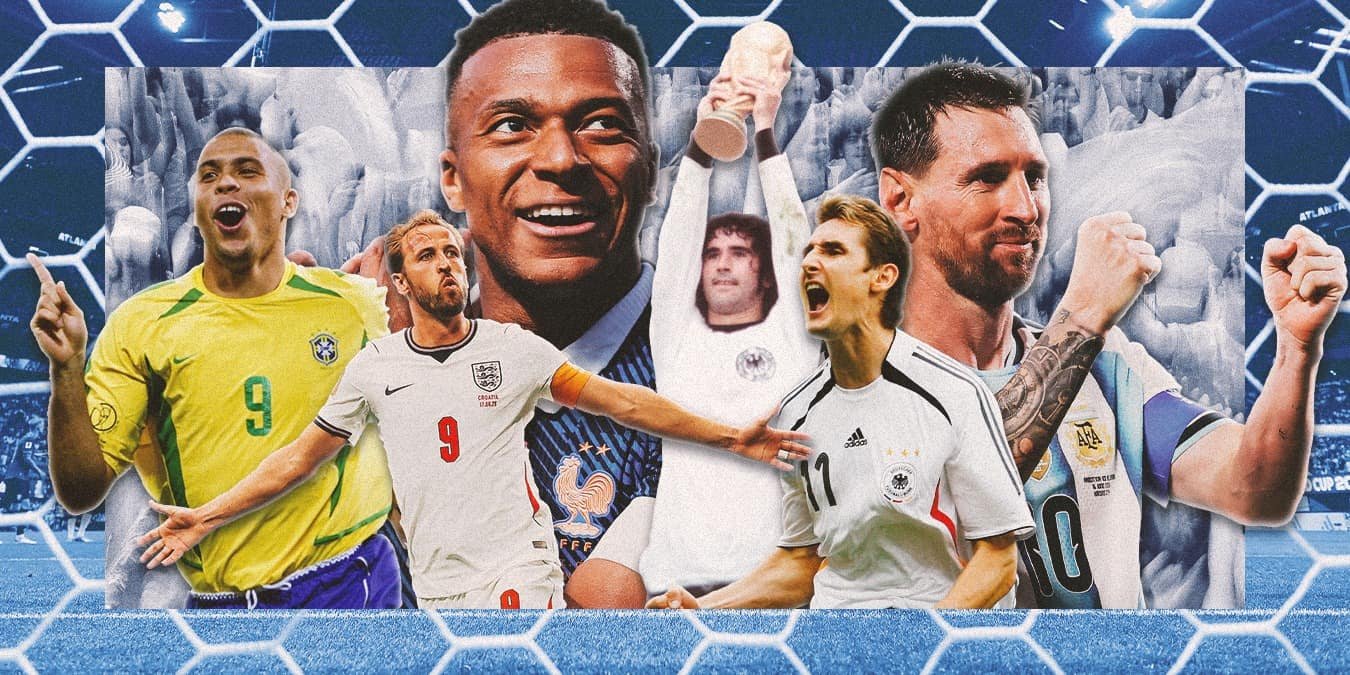
This article covers the all-time FIFA World Cup top scorers, their records, and goal statistics across tournaments.
FIFA World Cup All-Time Top Scorers List
The FIFA World Cup all-time top scorers list shows the players with the most goals in World Cup history. The 2026 tournament has changed the rankings, as some active players added more goals. Changes in ball design across tournaments have influenced scoring trends, as shown in the evolution of FIFA World Cup official match balls.
All-Time FIFA World Cup Top Scorers
Lionel Messi (Argentina)
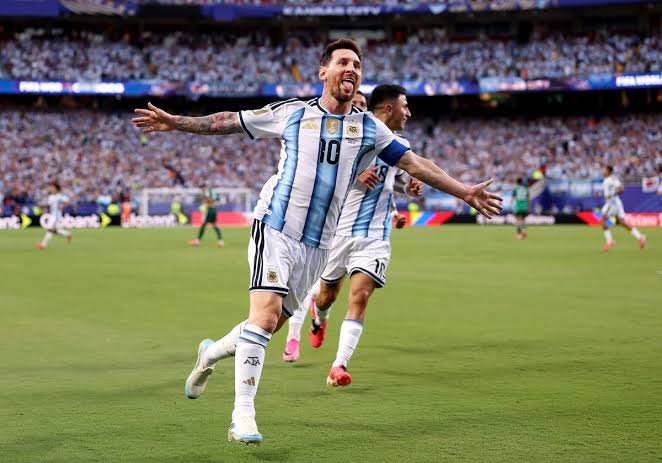
- Goals: 18
- Appearances: 29
- Tournaments: 6 (2006, 2010, 2014, 2018, 2022, 2026)
Messi is now top of the list after scoring in the 2026 World Cup. He is the first player to score in six different World Cups. The number of matches a player gets often depends on the tournament format, and the FIFA World Cup draw explains how groups and knockout rounds are organised.
Miroslav Klose (Germany)
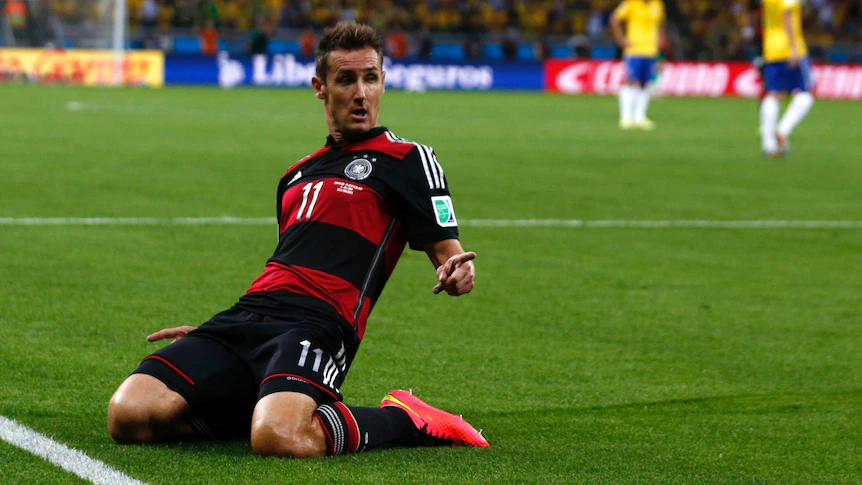
- Goals: 16
- Appearances: 24
- Tournaments: 4 (2002, 2006, 2010, 2014)
Klose held the record for many years. He remains Germany’s top World Cup scorer.
Ronaldo Nazário (Brazil)
- Goals: 15
- Appearances: 19
- Tournaments: 4 (1994, 1998, 2002, 2006)
Ronaldo played his best World Cup in 2002. He helped Brazil win the title.
Kylian Mbappé (France)
- Goals: 14
- Appearances: 15
- Tournaments: 3 (2018, 2022, 2026)
Mbappé is still climbing the list. He scores many goals in few matches.
Gerd Müller (Germany)
- Goals: 14
- Appearances: 13
- Tournaments: 2 (1970, 1974)
Müller scored almost every game he played. His goal rate is very high.
Just Fontaine (France)
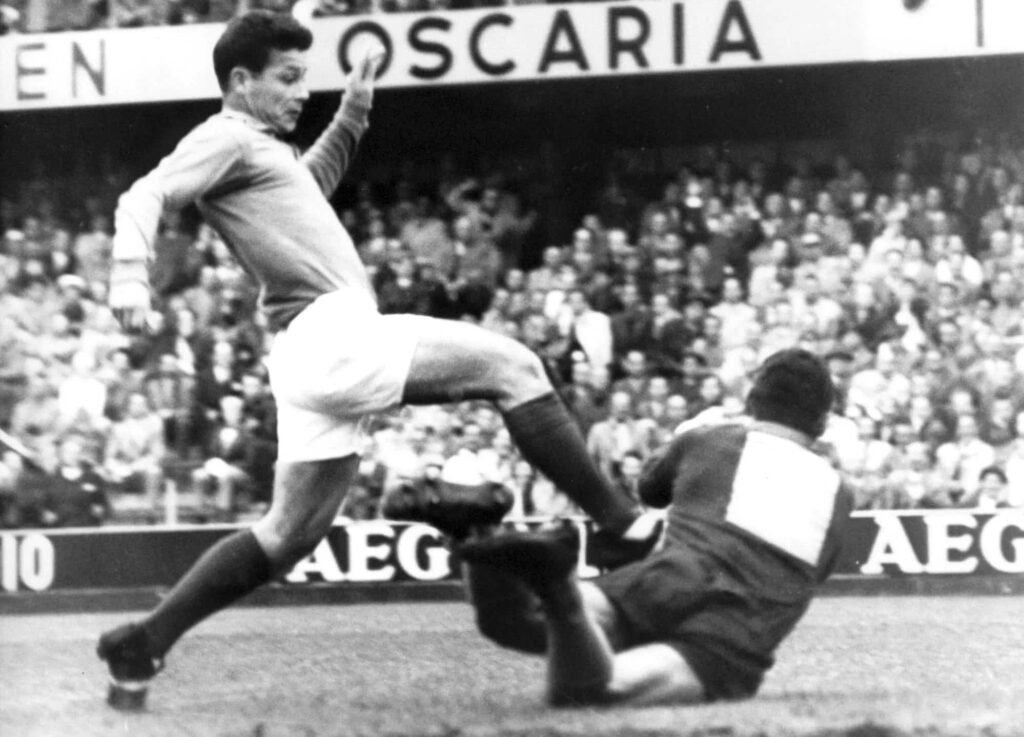
- Goals: 13
- Appearances: 6
- Tournaments: 1 (1958)
Fontaine scored all his goals in one World Cup. This record still stands.
Pelé (Brazil)
- Goals: 12
- Appearances: 14
- Tournaments: 4 (1958, 1962, 1966, 1970)
Pelé scored in four World Cups. He stayed strong for many years.
Sándor Kocsis (Hungary)
- Goals: 11
- Appearances: 5
- Tournaments: 1 (1954)
Kocsis scored many goals in few games. His scoring rate was very high.
Jürgen Klinsmann (Germany)
- Goals: 11
- Appearances: 17
- Tournaments: 3 (1990, 1994, 1998)
Klinsmann scored in three different World Cups. He was steady over time.
Helmut Rahn (Germany)
- Goals: 10
- Appearances: 10
- Tournaments: 2 (1954, 1958)
Rahn scored important goals for Germany. He played a key part in their 1954 win.
FIFA World Cup Top Scorers Records
The prestige of scoring at the World Cup is closely tied to its legacy, symbolised by the history and meaning of the FIFA World Cup trophy.
These records show World Cup scoring totals up to 2026. They cover all-time goals, single-tournament records, scoring rates, and country trends.
Highest Goal Scorers in World Cup History
This list shows total goals players scored across all World Cups:
- Lionel Messi – 18 goals
- Miroslav Klose – 16 goals
- Kylian Mbappé – 16 goals
- Ronaldo Nazário – 15 goals
- Gerd Müller – 14 goals
- Just Fontaine – 13 goals
- Pelé – 12 goals
Players reach these totals across several tournaments. Modern players often score more because they play more matches.
Scoring records at the World Cup are often compared with club competitions, especially when looking at the difference between the FIFA World Cup and the Club World Cup.
Individual achievements at the tournament also include official recognition, as explained in the FIFA World Cup awards and honours system.
Most Goals in a Single FIFA World Cup
Just Fontaine holds the record with 13 goals in 1958. He scored in every match and played six games.
No player has broken this record. Sándor Kocsis came closest with 11 goals in 1954. Gerd Müller followed with 10 goals in 1970.
Goals-Per-Match Efficiency Among Top Scorers
This section shows how often players score per match.
Just Fontaine leads the list with more than two goals per game in 1958. Sándor Kocsis also scored at a very high rate in 1954.
Gerd Müller scored just over one goal per game. Ronaldo Nazário scored less often but played across several tournaments. Miroslav Klose and Lionel Messi score at lower rates because they played many matches over long careers.
Short tournaments often produce higher scoring rates. Long careers usually reduce the average, even for elite players.
National Contributions to World Cup Top Scorers
Brazil produces many top World Cup scorers across all eras. The country consistently develops strong attacking players.
Germany also produces top scorers, including Miroslav Klose and Gerd Müller. Argentina follows with Lionel Messi and Gabriel Batistuta.
France contributes strongly through Just Fontaine and Kylian Mbappé. England and Uruguay also produce notable scorers, but less often at the top level.
Europe and South America dominate the top scorer list. These regions maintain strong football systems and attacking traditions.
FIFA World Cup All-Time Top Scorers Statistics Table
The FIFA World Cup all-time scoring list shows players ranked by total goals. Efficiency also matters, as some players scored faster than others. The table below uses goals, matches and goals per game for clear comparison.
Top World Cup Scorers Ranked By Goals
| Rank | Player | Country | Goals | Matches |
| 1 | Lionel Messi | Argentina | 18 | 29 |
| 2 | Miroslav Klose | Germany | 16 | 24 |
| 3 | Kylian Mbappé | France | 15 | 15 |
| 4 | Ronaldo Nazário | Brazil | 15 | 19 |
| 5 | Gerd Müller | West Germany | 14 | 13 |
| 6 | Just Fontaine | France | 13 | 6 |
| 7 | Pelé | Brazil | 12 | 14 |
| 8 | Sándor Kocsis | Hungary | 11 | 5 |
| 9 | Jürgen Klinsmann | Germany | 11 | 17 |
| 10 | Gary Lineker | England | 10 | 12 |
| 10 | Gabriel Batistuta | Argentina | 10 | 12 |
| 10 | Teófilo Cubillas | Peru | 10 | 13 |
| 10 | Thomas Müller | Germany | 10 | 17 |
| 10 | Helmut Rahn | West Germany | 10 | 10 |